

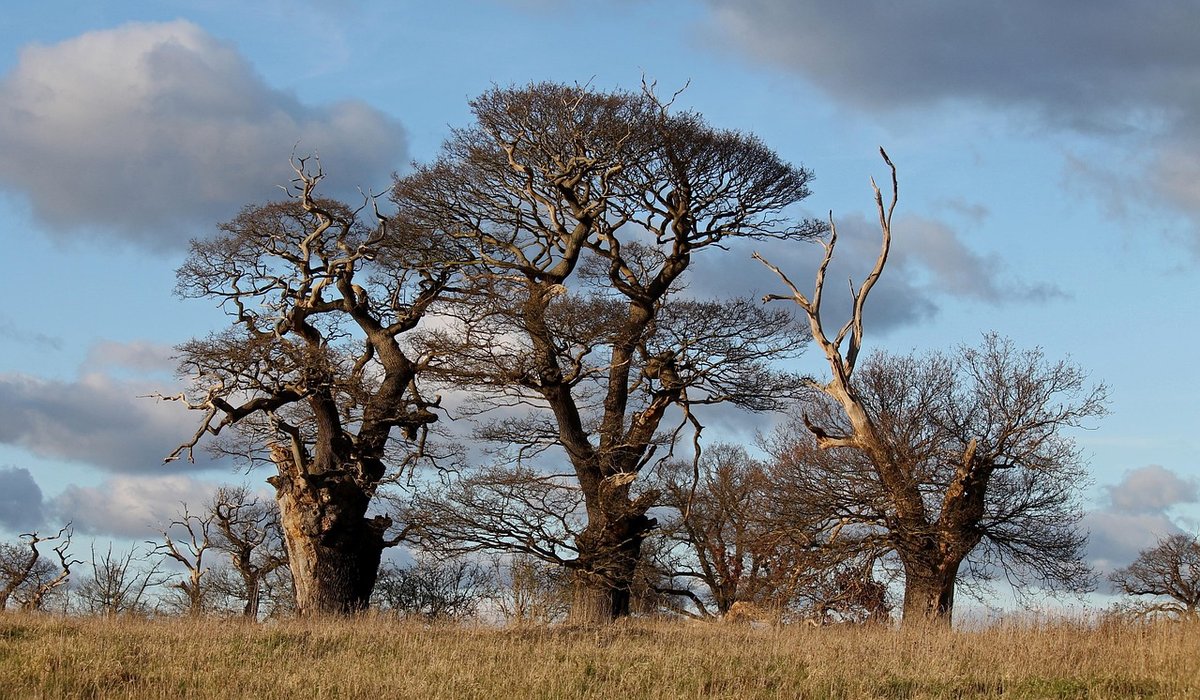
Foraging is one of the oldest skills in Britain, and it is enjoying a genuine revival. There is something deeply satisfying about returning from a walk with a bag of wild garlic, a handful of elderflowers or a punnet of blackberries you picked yourself. But the first lesson any good forager learns is not how to find food. It is how to walk away from it.
Our woodlands, hedgerows and verges are already under pressure from development, intensive farming and a changing climate. A crowd of eager pickers can strip a site bare in a single weekend. The aim of this guide is to help you forage in a way that leaves the place better than you found it, so there is something left for next year, and for the birds, bees and butterflies that depend on it far more than we do.
In England and Wales, it is an offence to uproot any wild plant without the permission of the landowner, whether you dig it up for the pot or for your garden. Picking leaves, flowers, fruit and fungi by hand is generally allowed for personal use, but only where you have a legal right to be on the land. That caveat matters more than most people realise.
When in doubt, ask. A friendly word with a farmer or estate office has opened more foraging gates than any book.
This is the part that keeps foragers alive. Several of our most sought-after wild foods have deadly lookalikes, often growing in the same patch. Wild garlic leaves resemble those of lily of the valley and the autumn crocus. Cow parsley, sweet cicely and hemlock water dropwort all carry lacy white umbels, and hemlock water dropwort is one of the most poisonous plants in the country.
Follow the two-source rule: confirm every identification in at least two reliable field guides, and never rely on a phone app alone. Learn the whole plant, not just the leaf – stem shape, smell, where it grows, what time of year it appears and what it looks like when it flowers. Wild garlic smells unmistakably of garlic when crushed; lily of the valley does not. That single test is worth more than any photograph.
If you are unsure, leave it. No jar of pesto is worth a night in hospital. Consider joining a guided walk with an experienced local forager for your first season – seeing plants in the flesh teaches you more in an afternoon than a year of scrolling.
Sustainable foraging is about numbers, and the numbers are simple. Take no more than one in twenty plants, fruits or fungi from any patch, and often far less. Follow these habits and your favourite spots will keep producing for decades.
Also avoid rare and slow-growing species such as cowslip, bluebell, wild orchids and all fungi that fruit rarely. There is no shortage of nettles, dandelions, chickweed, sorrel and blackberries to keep you busy.
Good foraging is also good hygiene. Wash everything thoroughly when you get home, and cook leafy greens briefly before eating. Avoid picking beside busy roads, where exhaust residue settles on leaves, and anywhere you see evidence of spraying, dog fouling or agricultural run-off. Check fields for signs of herbicide use and steer clear of field margins after spraying.
Take a basket or breathable cotton bag rather than a plastic one, a sturdy pocket knife, gloves for nettles and brambles, and a good field guide. Tell someone where you are going, carry a charged phone and know your way out. Wear long sleeves and trousers in summer to ward off ticks, and check yourself carefully afterwards.
Start with the easy, abundant and unmistakable. In March and April, look for nettles – the young tops make excellent soup – and wild garlic carpeting damp woodland. May and June bring elderflowers for cordial, along with hawthorn and meadowsweet. Late summer is blackberry time, plus hazelnuts if the squirrels have not beaten you to them. Autumn offers sloes, rosehips, crab apples and sweet chestnuts. Go slowly, learn a handful of species properly each year, and you will build a lifetime of quiet, generous knowledge.

The Amberbirch Real stories, useful guides and the occasional recommendation, all in one calm corner of the web.

The Amberbirch An honest, everyday look at the things that make life a little better — with advice you can actually use.

Follow a basic green woodworking project using seasoned tools and locally sourced timber, ideal for creating a useful spoon around the home.

Comments
ALina Kelian
19th May 2018 ReplyThe Amberbirch Real stories, useful guides and the occasional recommendation, all in one calm corner of the web. ullamco laboris nisi ut aliquip ex ea commodo consequat.
Rlex Kelian
19th May 2018 ReplyThe Amberbirch An honest, everyday look at the things that make life a little better — with advice you can actually use. ullamco laboris nisi ut aliquip commodo.
Roboto Alex
21th May 2018 ReplyThe Amberbirch An honest, everyday look at the things that make life a little better — with advice you can actually use. ullamco laboris nisi ut aliquip ex ea commodo consequat.