

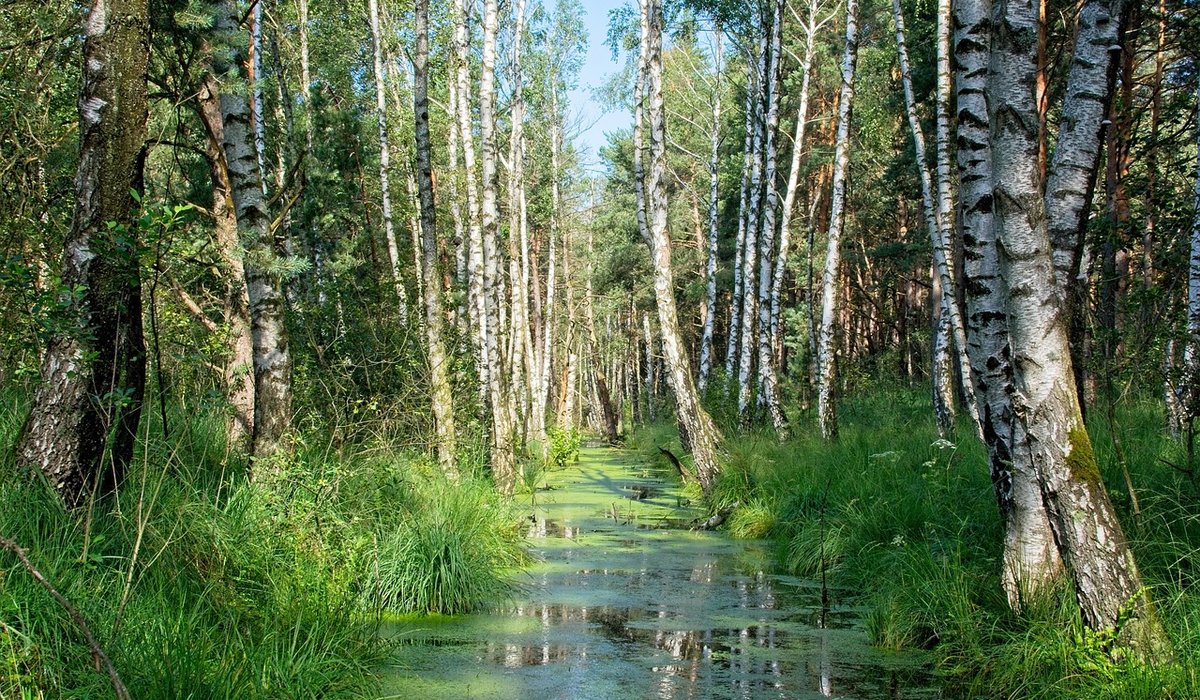
Walk into any ancient wood in late April and you will find the ground alive: bluebells in blue-grey drifts, wood anemones catching the light, the first primroses on a bank. None of these plants need full sun. They evolved on the woodland floor, doing their growing in the few precious weeks before the canopy closes overhead, then resting quietly through the summer. A shady border in a British garden offers almost exactly those conditions, and once you understand the rhythm, the planting becomes far easier than coaxing sun-lovers to flower in gloom.
The trick is to think in terms of seasons rather than one long performance. Your spring wildflowers will shine for six or eight weeks, then retreat underground while ferns, wood avens and other foliage take over. Plant with that sequence in mind and the border never looks bare.
Not all shade is equal, and matching plants to your particular patch saves years of disappointment. Dappled shade — the shifting light beneath a birch or rowan — suits the widest range of natives. Deep, dry shade under dense evergreens is the hardest, while a north-facing border that catches a little morning sun is surprisingly generous.
Pay attention to the roots, too. Soil beneath mature trees is often dry, dusty and hungry, stripped of goodness by the tree itself. Push a trowel in and see what you find. If it is pale and powdery, you will need to improve it before planting. If it is dark, crumbly and smelling faintly of mushrooms, you already have the leaf-mould-rich earth that woodland plants adore. A simple pH test kit costs little and tells you whether you are working with acid or alkaline, which matters for bluebells and wood anemones in particular.
Start with plants that genuinely belong here. They will cope with our damp winters, our unpredictable springs and the local wildlife far better than anything exotic.
Two cautions: lesser celandine and wild garlic can both become thuggish in rich soil, so keep them to areas where their spread is welcome.
Wildflowers hate competition more than they hate shade. Clear perennial weeds first — ground elder, ivy and couch grass will smother young plants within a season, so deal with them thoroughly before you begin.
Rather than digging, spread a 5cm layer of well-rotted leaf mould or garden compost across the surface and let the worms work it in. This mimics the woodland floor, keeps the soil structure intact and avoids bringing buried weed seeds to the surface. If your soil is very dry, fork in a little extra compost around where each plant will go, but do not enrich it heavily — too much richness encourages soft, leafy growth at the expense of flowers.
Autumn is the ideal time to plant, while the soil is warm and damp. Set plants at the same depth they were growing in the pot, firm them in gently and water well.
Nature does not plant in neat rows, and neither should you. Group your wildflowers in irregular drifts of five, seven or nine, letting the edges wander. Repeat the same species in two or three places across the border so the eye is drawn along rather than stopped dead. Space bulbs and rhizomes roughly 10–15cm apart and small plants 20–25cm apart, allowing room to spread.
Finish with a mulch of leaf mould, keeping it clear of crowns and stems so nothing rots. Then scatter a few extra seeds of foxglove and primrose into any bare patches and let them find their own way.
The most common mistake is tidying too early. After flowering, leave the foliage for at least six weeks so the bulbs and rhizomes can store energy for next spring. Mark each clump with a small stick so you know where it sits once the leaves vanish.
Through summer, the border will look quiet — that is entirely normal. Let ferns and wood avens fill the space. Keep on top of slugs in wet springs, water only during genuinely prolonged dry spells, and lift and divide crowded clumps every few years in early autumn. Over time the whole thing will seed, spread and settle into something that looks less like planting and more like a small piece of woodland that happens to be in your garden.

The Amberbirch Real stories, useful guides and the occasional recommendation, all in one calm corner of the web.

The Amberbirch An honest, everyday look at the things that make life a little better — with advice you can actually use.

Protect tender plants, clear fallen leaves and mulch borders before cold nights arrive, helping your garden stay healthy through winter.

Comments
ALina Kelian
19th May 2018 ReplyThe Amberbirch Real stories, useful guides and the occasional recommendation, all in one calm corner of the web. ullamco laboris nisi ut aliquip ex ea commodo consequat.
Rlex Kelian
19th May 2018 ReplyThe Amberbirch An honest, everyday look at the things that make life a little better — with advice you can actually use. ullamco laboris nisi ut aliquip commodo.
Roboto Alex
21th May 2018 ReplyThe Amberbirch An honest, everyday look at the things that make life a little better — with advice you can actually use. ullamco laboris nisi ut aliquip ex ea commodo consequat.