

A nature journal is not a diary of how you felt on a Tuesday. It is a record of what you saw, when you saw it, and what the weather was doing at the time. Naturalists call this phenology: the study of seasonal timing, from the first hazel catkins to the last swift leaving our skies. Keep at it for a year or two and something quietly remarkable happens. You stop relying on generalisations about "spring arriving early" and start making accurate statements about your own patch of Britain.
The real value is cumulative. A single entry about a brimstone butterfly on 14 March is pleasant. Twelve entries across four years tell you that your local brimstone is appearing, on average, a fortnight earlier than it did when you started. That is genuine, useful, local knowledge, and nobody else has it but you.
The temptation is to buy too much. Resist it. A journal that lives in your coat pocket will be used; an expensive leather-bound album on the shelf will not.
Be disciplined about the basics, because a record without them is close to useless. Every entry should carry the date, the time, the place (a grid reference if you have one, or a clear description), and the weather: temperature, cloud cover, wind direction, whether it rained. Add the day before's weather too if there was a frost or a hard downpour.
Then record what you noticed:
The easiest way to build a journal is to hunt for "firsts" and "lasts". These are the markers that turn a walk into a survey.
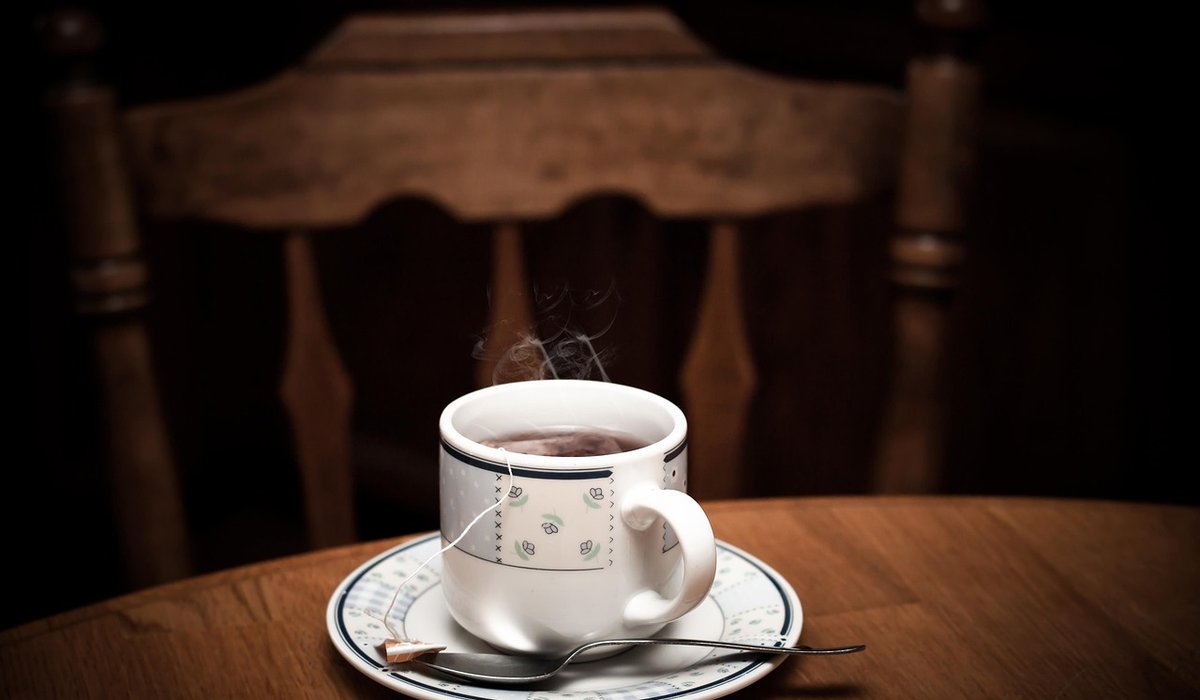
Once a month, sit down with your notebook and a cup of tea, and write a short summary. Pick the three most significant things that happened and note the dates. Then, at the end of the year, transfer them onto a single page: a simple table or a wheel of the year with one or two anchor events per month.
This is where the journal earns its keep. Compare years. Did the oak come into leaf before the ash? Did the blackberries ripen before or after the first frost? Are the swifts leaving earlier? Keep your route the same where you can, walk it weekly if possible, and be honest about gaps. A journal with missing weeks is still a good journal. Five minutes on a regular walk beats an ambitious expedition once a season.
Many people who keep nature journals end up foraging, and the two habits feed each other beautifully. Record what you picked, where, how much, and what you made with it: elderflower cordial on 8 June, a punnet of blackberries on 24 August, sweet chestnuts after the first gale in October.
Do keep to the rules. Under the Countryside Code you may pick fruit, foliage, fungi and flowers for personal use, but you must not uproot any wild plant without the landowner's permission, and you must never pick from protected sites or take more than a small amount from any one spot. Leave the rarities alone entirely, take only from abundance, and never eat a fungus you cannot identify with absolute certainty.
Start this week with a single page. Date it, note the weather, and write down one thing you noticed. That is a nature journal, and it will keep you company for years.

The Amberbirch Real stories, useful guides and the occasional recommendation, all in one calm corner of the web.

The Amberbirch An honest, everyday look at the things that make life a little better — with advice you can actually use.

Learn to recognise native trees through bark texture, colour and pattern, with practical tips for woodland walks throughout the changing seasons.

Comments
ALina Kelian
19th May 2018 ReplyThe Amberbirch Real stories, useful guides and the occasional recommendation, all in one calm corner of the web. ullamco laboris nisi ut aliquip ex ea commodo consequat.
Rlex Kelian
19th May 2018 ReplyThe Amberbirch An honest, everyday look at the things that make life a little better — with advice you can actually use. ullamco laboris nisi ut aliquip commodo.
Roboto Alex
21th May 2018 ReplyThe Amberbirch An honest, everyday look at the things that make life a little better — with advice you can actually use. ullamco laboris nisi ut aliquip ex ea commodo consequat.