

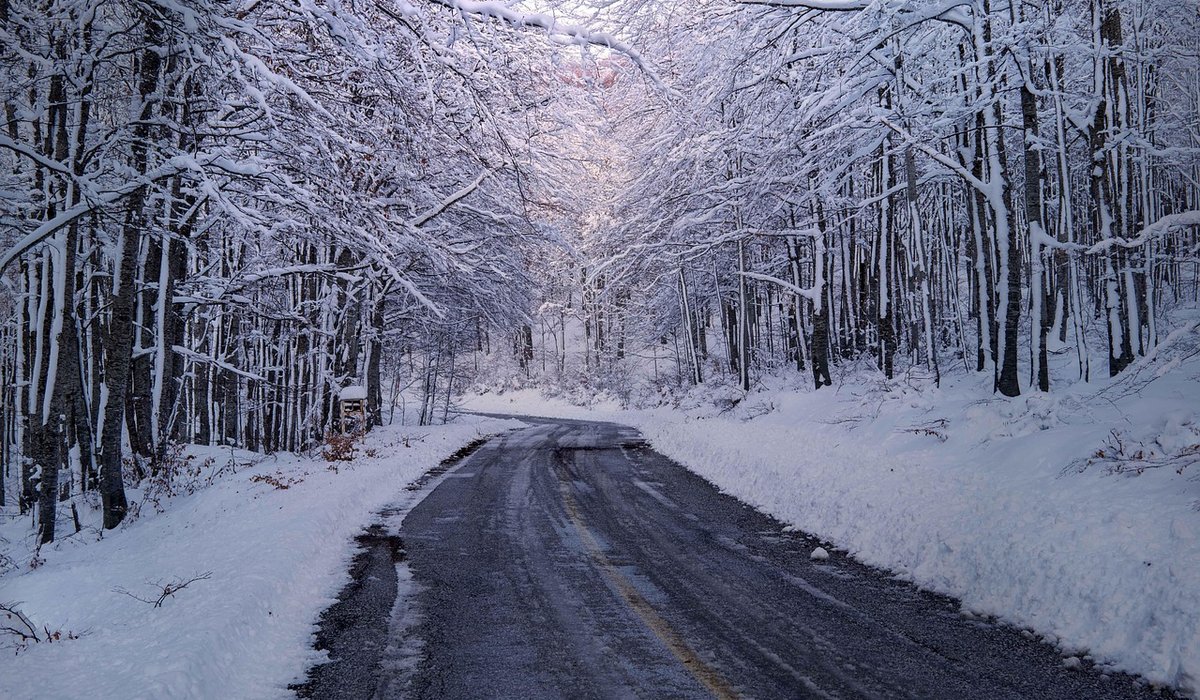
A woodland garden asks you to work with the trees rather than against them. The canopy sets the clock: when it leafs up in late spring the light below drops away sharply, and when it falls in autumn the ground gains its own quiet season of growth. Everything beneath — the bulbs, the woodlanders, the fungi threading through the leaf litter — is responding to that rhythm. So the first seasonal task is really observation. Walk the garden weekly and note when the ash breaks bud, where the canopy drips heaviest after rain, and which patches stay stubbornly dry. Plan your jobs around those dates rather than the calendar, and you will stop fighting the site and start steering it.
From November to early March the garden is dormant and forgiving. This is the window for structural work.
Lift any soggy mats of leaves from the crowns of hellebores and other low growers, but leave the rest of the litter where it lies. It is habitat, not mess.
The few weeks before the canopy closes are the woodland garden's great performance. Snowdrops, winter aconites, wood anemones, native bluebells and cyclamen will all naturalise happily beneath deciduous trees, provided they are planted in generous drifts rather than tidy rows. Snowdrops establish best moved "in the green" immediately after flowering; most other bulbs prefer a September planting.
Whatever you do, let bulb foliage die back naturally. That yellowing greenery is feeding next year's flower. Once it has gone over completely, mulch lightly with leaf mould or composted bark to keep moisture in and weeds down.
This is also the season for wild garlic, gathered leaf by leaf from abundant stands for pesto and soup. Take only what you need, never uproot a plant, and avoid any species you cannot identify with total confidence. The same rules apply later to elderflower and wild strawberries.
Once the trees are in full leaf, your main job is managing shade and moisture. New plantings need deep, slow watering once a week through their first two summers; established woodlanders will mostly fend for themselves. A rain butt or two saves a great deal of tap water.
Restraint matters more than activity now. Avoid hedge cutting between March and August while birds are nesting, and leave a few corners entirely alone. If you need to shape a tree, midsummer is the moment for Prunus and for removing epicormic shoots from trunks. Otherwise, sharpen your tools, top up the mulch where it has thinned, and enjoy the green.
Autumn is the busiest and most rewarding season. Rake leaves into a wire cage or bin bag punched with holes, keep them damp, and within a year or two you will have the finest mulch money cannot buy.
Resist the urge to cut everything down. Standing stems, seedheads and deep leaf litter carry insects and hedgehogs through the coldest months. Check tree ties and stakes for rubbing, firm back any plants lifted by frost, and stay off saturated ground where you can, because compaction does more damage than cold ever will.
Use the short days to clean, sharpen and oil your tools, order bare-root stock for planting in the new year, and read back through your notes. A woodland garden rewards patience above all: plant now for the generation who will enjoy it, and the garden will look after itself.

The Amberbirch Real stories, useful guides and the occasional recommendation, all in one calm corner of the web.

The Amberbirch An honest, everyday look at the things that make life a little better — with advice you can actually use.

Discover the miniature world of mosses and lichens by learning where to look, what features to notice and how to record sightings.

Comments
ALina Kelian
19th May 2018 ReplyThe Amberbirch Real stories, useful guides and the occasional recommendation, all in one calm corner of the web. ullamco laboris nisi ut aliquip ex ea commodo consequat.
Rlex Kelian
19th May 2018 ReplyThe Amberbirch An honest, everyday look at the things that make life a little better — with advice you can actually use. ullamco laboris nisi ut aliquip commodo.
Roboto Alex
21th May 2018 ReplyThe Amberbirch An honest, everyday look at the things that make life a little better — with advice you can actually use. ullamco laboris nisi ut aliquip ex ea commodo consequat.