

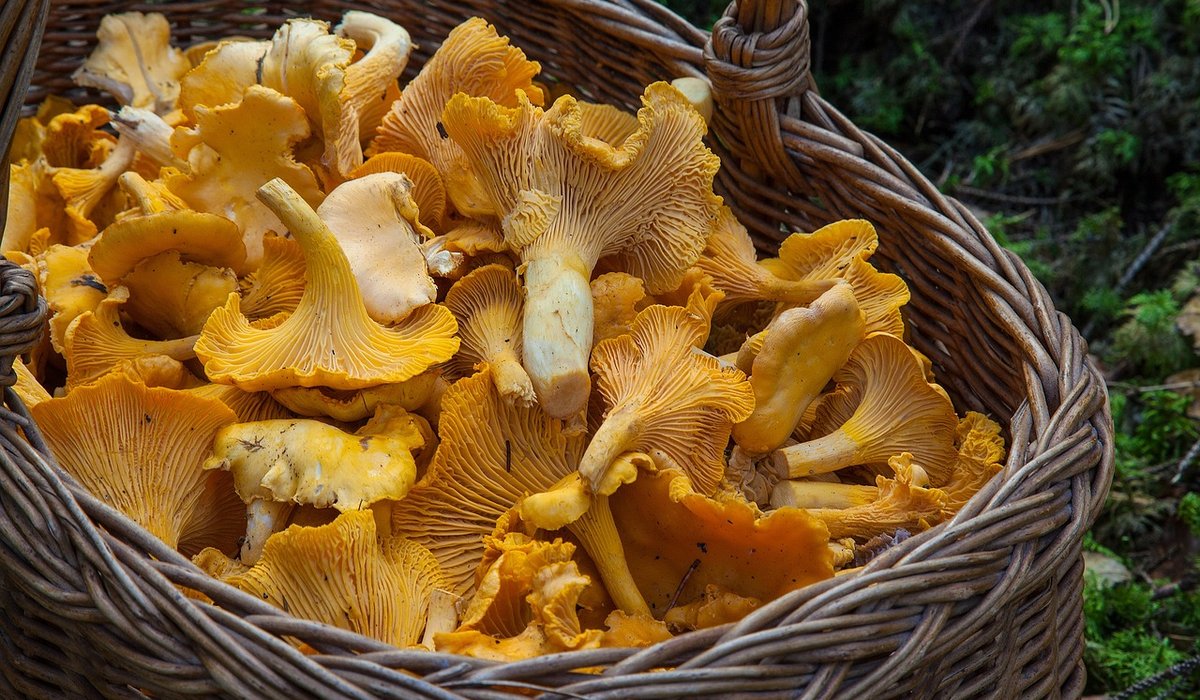
By March, the woods have been grey for months. Then the first warm spell arrives, and everything happens at once. Wild garlic pushes up through the leaf litter, nettle shoots break through the hedge bottoms, and suddenly there is more free green food around than one pair of hands can carry.
These two plants are the perfect introduction to foraging. They are abundant, easy to identify once you know what you are looking for, and forgiving in the kitchen. They also happen to be delicious, which is the only reason anyone keeps doing this year after year.
Wild garlic, also called ramsons, goes by the scientific name Allium ursinum. It grows in damp, shaded woodland, often along streams and in the same woods where bluebells appear later in spring. You will usually smell it before you see it — a heavy, unmistakable scent of garlic hanging over a patch of green.
The lookalikes matter. Lily of the valley has similar leaves but no garlic smell, and it is poisonous. Lords-and-ladies, also known as cuckoo pint, is another one to learn and avoid. The smell test is your safeguard, so use it every single time, even on a patch you have visited for years.
Pick one leaf from each plant rather than stripping a clump. The bulb stays in the ground, the plant regrows, and you leave enough for the bees and for next spring's crop.
The stinging nettle, Urtica dioica, is the most useful weed in Britain. It grows almost everywhere, it is high in iron and vitamins, and once it hits heat the sting disappears completely.
Look for the fresh tops of young plants, roughly the first four to six leaves, from March until the plants flower in early summer. After flowering, the leaves toughen and develop gritty crystals that can irritate the kidneys, so stop picking then.
White dead-nettle looks similar but has no sting and no square stem with the same hairy feel. If it does not sting you, it is not a stinging nettle — though a glove is a sensible way to find that out.
In Britain, picking the leaves, flowers and fruit of common wild plants for personal use is generally permitted, but digging up a plant without the landowner's permission is not. Nature reserves, sites of special scientific interest and National Trust land often have their own rules, so check before you fill a bag.
Beyond the law, there is a simple code worth keeping:
Both plants make a superb soup on the same principle: soften an onion and a diced potato in butter, add stock, simmer until the potato is tender, then throw in the greens at the very end.
For wild garlic, use a large handful per person and blend the soup only briefly so it keeps its bright green colour. A squeeze of lemon sharpens it beautifully.
For nettles, use the same base but add a grating of nutmeg and a spoonful of cream. Simmer the nettles for two or three minutes — enough to destroy the sting — then blend. The flavour sits somewhere between spinach and cucumber, and it is one of the most nourishing things you can eat in March.
Wild garlic pesto is the fastest way to use a big haul. Blitz 100g of leaves with 50g of toasted hazelnuts, 50g of grated hard cheese and enough rapeseed oil to bring it together. Season with salt and a little lemon juice. It keeps for a week in the fridge and freezes well in ice cube trays.
Other things worth doing:
Spring is short, and these two plants are at their best for only a few weeks. Take a basket, learn the smell test, and get out into the woods while the season lasts.

The Amberbirch Real stories, useful guides and the occasional recommendation, all in one calm corner of the web.

The Amberbirch An honest, everyday look at the things that make life a little better — with advice you can actually use.

Construct a weatherproof bird table from untreated timber, following basic plans that suit small gardens and encourage year-round visits.

Comments
ALina Kelian
19th May 2018 ReplyThe Amberbirch Real stories, useful guides and the occasional recommendation, all in one calm corner of the web. ullamco laboris nisi ut aliquip ex ea commodo consequat.
Rlex Kelian
19th May 2018 ReplyThe Amberbirch An honest, everyday look at the things that make life a little better — with advice you can actually use. ullamco laboris nisi ut aliquip commodo.
Roboto Alex
21th May 2018 ReplyThe Amberbirch An honest, everyday look at the things that make life a little better — with advice you can actually use. ullamco laboris nisi ut aliquip ex ea commodo consequat.