

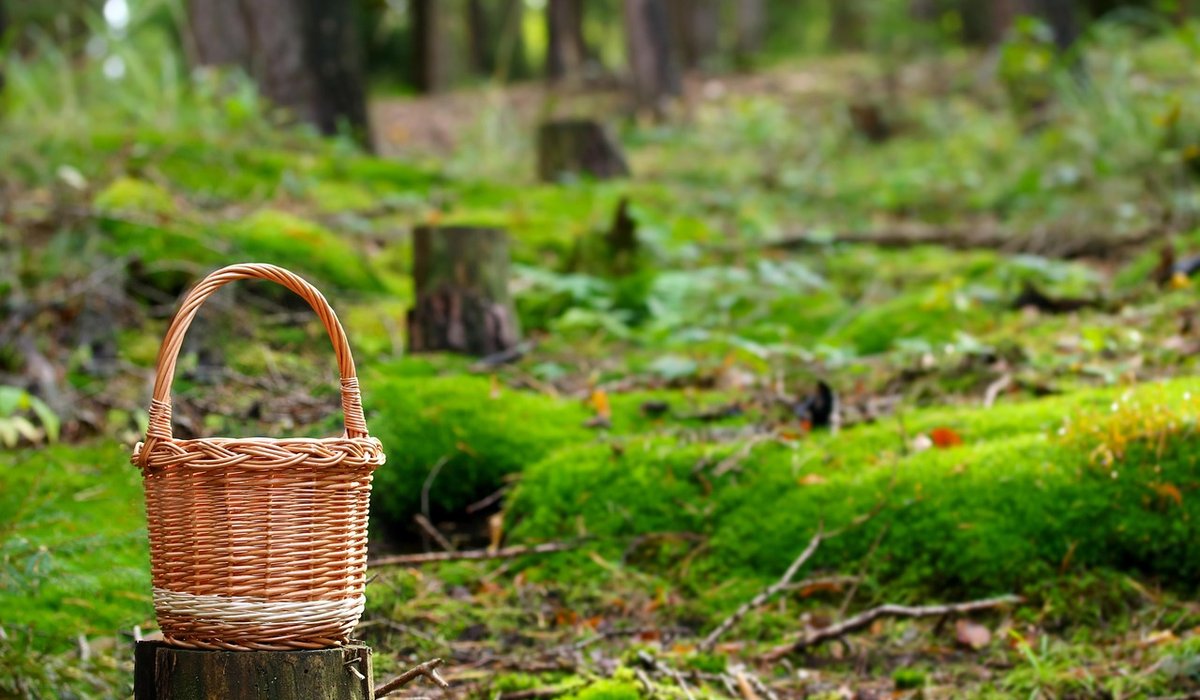
There is a particular pleasure in watching a skein of undyed wool take on the soft, green-gold hues of a birch wood in early summer. The leaves that shimmer above you on a breezy day hold tannins and flavonoids that will dye animal fibres and cellulose fibres alike, given a little patience and a simple pot on the stove. You do not need a laboratory or expensive extracts. A basket of birch leaves, a stainless steel pan, and a few store-cupboard mordants will set you on your way.
Birch is one of the most widespread trees in the British Isles. Downy birch and silver birch both produce leaves that yield gentle yellows, soft greens, and warm golds depending on the mordant and the pH of your dye bath. Unlike some dye plants that demand precise temperatures or rare ingredients, birch leaves are forgiving. They contain natural tannins, which help the colour bind to fibre, and they respond beautifully to small shifts in acidity or alkalinity. The resulting shades are rarely loud. They are the colours of lichen, spring moss, and pale sunlight through a canopy — subtle, wearable, and quietly beautiful.
Timing matters. The best leaves for dyeing are young and tender, gathered from late spring to early midsummer, before the tree has poured its energy into seed. After midsummer, the leaves become tougher and the colour weaker. Pick a few leaves from many branches rather than stripping one tree, and never take more than you need. A good rule of thumb is to gather no more than one small basket per tree, leaving the canopy intact for wildlife. Fallen leaves after a summer storm are fair game, too, though they may be less potent.
Use your leaves fresh for the brightest colour, or dry them in a warm, airy room for later use. As a rough guide, use 100g of fresh leaves or 50g of dried leaves for every 100g of fibre you intend to dye. That ratio gives a clear but not overwhelming tint. If you want a deeper shade, increase the leaves rather than the simmering time, which can dull the colour.
You will need a stainless steel or enamelled pan reserved for dyeing only — never use your cooking pots afterwards for food. Aluminium can shift colours unpredictably, and iron will sadden them towards grey, though that can be useful later. Wear gloves, keep the room ventilated, and work on a surface you do not mind staining.
Rinse the fibre in cool water until the water runs clear, then hang it to dry in the shade.
Mordants help the dye bind to the fibre. For animal fibres such as wool, alpaca, or silk, alum is the simplest and safest choice. Use 10–15g of alum and 5g of cream of tartar per 100g of fibre. Dissolve them in hot water, add the wetted fibre, and simmer gently for an hour before dyeing. For cellulose fibres like cotton or linen, you will need a tannin pre-treatment first — strong tea or oak gall solution works well — followed by the alum bath.
Once your fibre is dyed, you can modify the colour by dipping skeins into different after-baths. A splash of vinegar (about one tablespoon per litre of water) will brighten yellows and push them towards lemon. A pinch of soda ash (one teaspoon per litre) will deepen the gold and bring out greener tones. Iron water — made by soaking rusty nails in vinegar and water for a fortnight, then diluting it 1:100 — will sadden birch yellow to a soft olive or grey-green. Always test on a small sample first, and label your skeins so you remember what you did.
Birch leaves play well with other common hedgerow plants. Nettle tops give a clear green when used with an alum mordant and a dash of soda ash. Yarrow flowers yield a soft yellow that blends beautifully with birch. Elder leaves produce a greenish yellow, while dandelion roots simmered for an hour give a warm brown. Onion skins — the papery outer layers — create rich golds and oranges that can be modified with iron for a deeper bronze. Bramble tips, comfrey leaves, and even carrot tops all have something to offer. Keep notes of quantities, dates, and water pH, because your local soil and water will influence the final shade.
Natural dyes are alive in a way that synthetic dyes are not. They will soften and shift over time, especially in strong sunlight. Wash your dyed fabric and yarn by hand in cool water with a pH-neutral soap, and dry them in the shade. Avoid alkaline detergents and hot water, which can strip the colour. Store textiles away from direct sunlight. With gentle care, a birch-dyed scarf or skein will keep its quiet green-gold glow for years, carrying a little of the woodland into your home.

The Amberbirch Real stories, useful guides and the occasional recommendation, all in one calm corner of the web.

The Amberbirch An honest, everyday look at the things that make life a little better — with advice you can actually use.

Build a tiny pond with native plants and gentle slopes, providing vital habitat for frogs, insects and birds even in a compact garden.

Comments
ALina Kelian
19th May 2018 ReplyThe Amberbirch Real stories, useful guides and the occasional recommendation, all in one calm corner of the web. ullamco laboris nisi ut aliquip ex ea commodo consequat.
Rlex Kelian
19th May 2018 ReplyThe Amberbirch An honest, everyday look at the things that make life a little better — with advice you can actually use. ullamco laboris nisi ut aliquip commodo.
Roboto Alex
21th May 2018 ReplyThe Amberbirch An honest, everyday look at the things that make life a little better — with advice you can actually use. ullamco laboris nisi ut aliquip ex ea commodo consequat.